The Australian Autism Knowledge Hub (the Hub) began by listening. Before setting its priorities for its first three years, the Hub asked Autistic people, families and others what matters to them, what is not working, and where better information could make a difference.
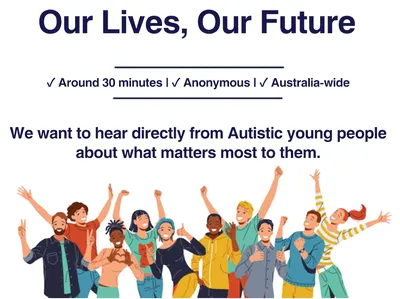
The national consultation included one survey for adults, a separate survey for young people, and interviews with key groups. The questions covered people’s experiences, concerns and information needs.
The surveys took a different approach from many research priority-setting surveys. These often ask people to suggest what researchers should study. That can put the burden on people to turn a complex or difficult experience into a research topic. People should not need research training to explain what matters to them.
Instead, the Hub used open-ended questions to give people room to describe their concerns and needs in their own words, without having to choose from a set list of topics decided by the Hub team. For example, the Hub asked:
- What have you tried to find credible information about but can’t?
- What questions matter to you or your community?
- What do you wish people understood better about autism?
- Who needs better information or training?
- Where could better evidence, or better use of existing evidence, make a difference in everyday life?
Open-ended questions gave people room to raise issues the Hub may not have anticipated. They could share what they had experienced, what they wanted to understand, and what information or support was missing. The Hub also used the responses from the community to inform the Easyread version of the survey. Easyread surveys have answer options, and all of these have been based on what people raised in the open answer survey - this means that people completing the Easyread chose from community-informed answers rather than chosen by the Hub team members.
The findings will help guide the Hub’s work. They may point to areas where more research is needed. The Hub will work with Autistic people, families, researchers and others to consider how research could address those gaps. Where useful evidence already exists, the Hub can help make it easier to find and understand, develop practical resources or training, or bring people together to plan next steps.
This consultation is just one way we are working with the community. The Hub has a community advisory board and Autistic people, families and others from the autism community will continue to shape the questions we explore and the information and resources we share. See the "About the Hub" page for more information on how you can get involved!